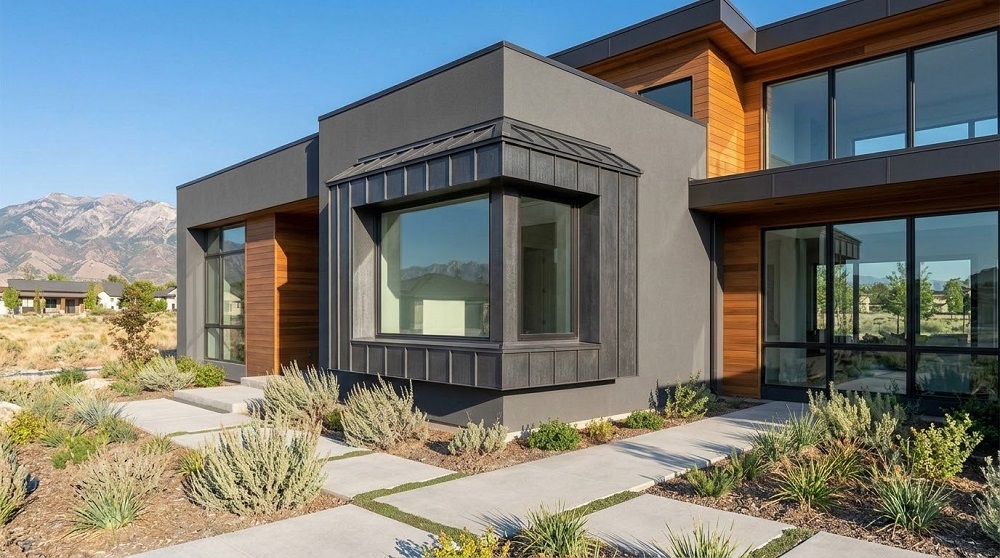
bay window cover in Utah

Bay windows are known to add natural light and value to a home, but they also require proper protection to withstand years of exposure to the Utah elements. One easily overlooked feature is the bay window cover. This helps shield the window structure from UV damage and other exterior elements while enhancing the home.

Cypress Metals, serving Utah, specializes in custom metal fabrication services. We can help create precision-fit bay window covers that combine lasting durability with an attractive architectural finish. Proper bay window cover maintenance and installation can help homeowners extend the life of their windows and reduce costly repairs. Explore the role bay window covers play in protecting your home and supporting long-term curb appeal.
bay window cover in Utah

Table Of Contents

  • Learn how bay window covers protect against water and UV damage.
  • Discover how they improve insulation and energy efficiency.
  • See how they help reduce long-term maintenance costs.
  • Find a design that enhances your home’s curb appeal.

Protecting Bay Windows from Weather Damage

Bay windows are constantly exposed to outdoor conditions that are common in Utah. That could mean heavy rain, snow, wind, and intense sunlight during peak summer hours. Without proper protection, moisture can seep into vulnerable areas around the window structure. This can lead to water damage and unexpected exterior repairs you weren’t planning for.

A custom metal bay window cover creates a protective barrier that helps direct water away from the window and surrounding materials.

UV exposure is something that can be easy to neglect. Continuous sunlight may cause fading or cracking of certain materials. Durable covers help shield the bay window area from harmful UV rays. This helps preserve the appearance and condition of the window structure.

Regular bay window covers maintenance can further support long-term performance by keeping the covers clean and allowing homeowners to identify potential issues early. While they protect the window itself, a well-designed bay window cover also supports the overall exterior of the home by helping maintain a polished, cohesive appearance.

Improving Home Comfort Through Better Insulation

Bay windows are beautiful but they can create unique challenges when it comes to maintaining consistent indoor temperatures. Whether the window area may allow heat to escape during colder months or enter the home during warmer weather. If you have a properly fitted bay window cover, it can provide an additional layer of protection that supports the insulation around the actual window structure.

Bay window covers can contribute to a more comfortable living space and support overall energy efficiency. Utah homeowners could notice benefits inside their space, such as:

  • Reduced heat transfer around the bay window area.
  • Improved temperature consistency throughout the home.
  • Less strain on heating and cooling systems.

Bay window covers can help reduce drafts around the window area. They add another layer of protection against outside temperatures. This can support better indoor comfort throughout the year. That added protection can help improve energy efficiency and save you money.

Preventing Costly Repairs with Added Protection

Bay window covers are an investment that can help protect your home. There is always a concern with your home because of the exposure to the elements. Without proper coverage, weather conditions contribute to issues such as moisture damage and deterioration over time.

Custom window covers help create a protective barrier that reduces the impact of harsh weather on the window structure and also the surrounding areas. Homeowners can help extend the lifespan of their exterior features and avoid unnecessary repair expenses.

Below are some examples of how it saves money with the common potential problems.

Potential Issue How a Bay Window Cover Helps
Water damage Helps redirect rainwater away from vulnerable areas
Sun damage Reduces exposure to harsh UV rays
Exterior wear Helps preserve surrounding materials

Enhancing Your Home’s Exterior with Custom Designs

Bay window covers provide an additional layer of protection, but they can also complement your home’s exterior in ways you never imagined. Since every property has unique architectural features, choosing a custom-fabricated cover allows homeowners to select a design that can easily blend into their home’s natural design elements.

Factors such as the home’s color scheme, roofline, materials, and overall design can influence the look of a bay window cover. Properly designed covers should enhance the appearance of the home rather than look like an added feature.

With attention to detail and quality craftsmanship, these covers can provide the protection homeowners need while adding a polished touch that supports the home’s curb appeal.

Custom Metal Fabrication for Unique Bay Window Designs

Every home has its own style, which is why bay window covers should be designed with the exterior appearance in mind. Cypress Metals, serving Utah, uses advanced fabrication techniques to create custom metal covers available in different styles and designs to complement your home’s architecture.

With expert craftsmanship and attention to detail, homeowners can achieve a bay window cover that feels like a natural part of the home.

Explore examples of their custom work and see how laser cutting in Utah services help create durable, attractive bay window covers designed to match your home’s unique style. Contact us to get an estimate!
roof pitch affect water flow in Utah

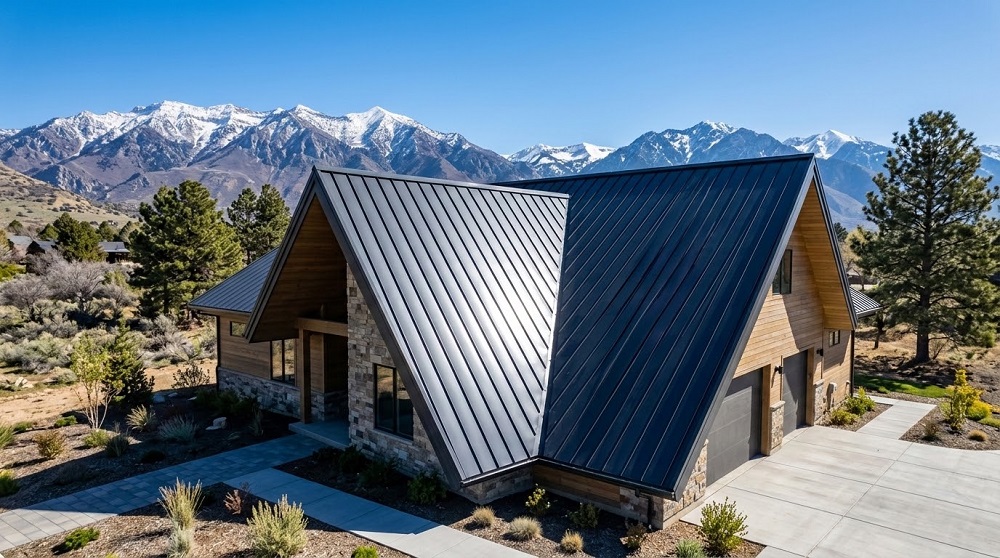
Roof design plays a major role in how effectively water moves off a building, and roof pitch is one of the most important factors. The slope of a roof influences the speed and direction of water flow, especially in run-out sections where large amounts of water are concentrated before reaching gutters or drainage systems

When you understand this relationship, it can help contractors and property owners avoid drainage issues, ultimately increasing the lifespan  of their roof. At Cypress Metals in Utah, we know that proper roof pitch water flow management is essential for the long-term performance of any roofing system. Learn more about supporting the long-term performance of metal roofing and building projects.

roof pitch affect water flow in Utah

What You’ll Learn

  • Why slope angle matters for runoff efficiency
  • Risks associated with low- and high-pitch roofs
  • Simple examples that explain water flow patterns
  • How weather conditions influence roof performance
  • Important building code considerations
  • How roof pitch affects water drainage

The Connection Between Roof Pitch and Drainage Performance

Your roof’s pitch has a direct correlation on how water moves across a roof. The steeper the slope, the faster water can travel toward gutters and drainage systems. A lower slope slows water movement and can allow moisture to remain on the roof longer.

It’s an important consideration when designing a roofing system. A roof that drains efficiently is less likely to experience standing water or excess moisture buildup.  Better drainage also means your roof is far more likely to hold up with better performance over time.

The relationship between roof pitch water flow becomes especially important in run-out sections. These are the areas that collect water from larger portions of the roof and channel it effectively towards a single point. If the slope is not adequate, water can accumulate and create drainage challenges.

Weather conditions also play a role here. Heavy rain, snow, and ice place additional demands on a roofing system. Choosing the right pitch helps roofs manage these conditions more effectively.

Balancing the Risks: Low-Pitch vs. High-Pitch Drainage

Different roof slopes handle water differently. While both have advantages and drawbacks, each comes with potential drainage concerns.

Low pitch roofs allow water to move more slowly than higher pitched roofs. If there’s a heavy rainstorm, you could expect water to remain there longer. If drainage systems are not designed correctly, pooling can occur. Standing water increases the risk of leaks and can place extra stress on roofing materials.

High-pitched roofs can shed water much more rapidly. While it prevents pools, you might have areas of concentrated runoff. Large volumes of water may rush into gutters at once. If gutters are undersized or clogged, overflow can occur around the building.

The table below summarizes the comparison:

Roof Type Water Movement Common Risk Everyday Example
Low Pitch Slow Water pooling and leaks Water sitting in a shallow baking tray
Moderate Pitch Balanced Fewer drainage concerns Water flowing down a driveway
High Pitch Fast Rapid runoff and gutter overload Water rushing down a playground slide

Meeting Utah’s Unique Climate & Building Code Standards

Understanding roof pitch water flow relationship is important, and local weather conditions and building code requirements also play a major role in selecting the right slope. Local weather conditions and building code requirements also play an important role in selecting the right slope for your roof.

It’s no secret that Utah experiences a wide range of weather patterns throughout the year. Many areas receive significant snowfall during the winter, while others may face heavy rain and rapid temperature changes. These conditions can affect how water and snow move across a roof.

Roofs with the right pitch can help direct water away effectively. It can also reduce the risk of snow accumulation in areas that experience harsh winters that Utah is known for.  Choosing the right slope helps support long-term roof performance and durability.

Building codes vary by location, but typically include:

  • Load-Bearing Requirements: Minimum strength standards to support heavy snow and ice accumulation.
  • Minimum Slope Guidelines: Required pitch angles to ensure effective water runoff and drainage.
  • Drainage System Capacity: Specifications for gutters and downspouts to handle regional rainfall volume.

Frequently Asked Questions

How does roof pitch affect drainage?
Think of it like a slide. A steeper roof sheds water quickly, while a flatter roof slows everything down and risks pooling.

What are the risks of low-pitch roofs?
Water moves sluggishly on flatter roofs, which creates a higher risk of leaks and extra wear on your materials.

Why is roof pitch especially important in Utah?
Utah’s mix of heavy winter snow and unpredictable rain makes the right pitch essential to keep moisture moving and prevent dangerous buildup.

What do building codes regulate regarding roof pitch?
Codes ensure your roof is structurally sound for local snow loads and capable of managing the area’s specific rainfall.

Professional Solutions for Custom Roofing Run-Outs

Understanding roof pitch and drainage is only part of creating a high-performing roofing system. Properly designed run-out sections are equally important for managing water flow and protecting the building.

Learn more about radius roofing Utah solutions from Cypress Metals and discover how quality roofing run-outs help direct runoff efficiently and support long-term roof performance.

Metal roofing systems are more complex than most people realize. They require much more than placing panels and fastening them down. One of the most critical steps in commercial and residential roofing projects is roofing run-out panel installation, which directly impacts roof performance and long-time weather protection that is essential to Utah homeowners. Contractors who overlook structural alignment, material compatibility, and safety standards often face costly callbacks and warranty issues. Once the process is mastered, the end result is a clean, watertight system that performs well for decades to come. Structural Requirements and Proper Alignment Techniques A successful roofing run-out panel installation starts with a properly prepared structure. Roof framing should be square and level, as any structural deviation will prevent the panels from aligning correctly and create gaps in the weather seal. Industry best practices emphasize checking the structural plane before installing any panels. Contractors should use laser levels or string lines to confirm that framing members are aligned correctly. A structure that is out of plane will follow that irregular shape, leading to uneven seams and potential water infiltration points. Some proper alignment techniques could include any of the following: Starting panel layout from a fixed square reference point Checking alignment as the installation process continues for uniformity Ensuring panels remain straight along both vertical and horizontal runs Metal roofing defects are common due to improper alignment. This can lead to aesthetic issues, such as “oil canning,” or functional problems, such as improper seam engagement. Material Compatibility with Existing Roofing Systems Material compatibility is another essential factor in roofing run-out panel installation.  Not all metals, coatings, and underlayments will work together. Mixing incompatible materials can lead to corrosion and premature failure.  Contractors must ensure that new metal panels are compatible with existing roof substances (i.e., wood, steel framing, or wood decking). Fasteners and sealant systems should be designed for that specific panel type. Installing panels over the wrong underlayment can trap moisture and cause hidden structural damage. Keeping all components within the same approved system helps ensure long-term durability and compliance with warranty requirements. Installing in climates like Utah requires extra attention because rapid temperature swings can intensify condensation risks if systems are not properly matched. Common Mistakes and How To Avoid Them Roofing installation errors aren’t typically with the product itself, but with the installation. Even small mistakes can lead to major performance issues down the road. Some of the most common errors include: Starting installation off-square, causing misalignment across the entire roof Overdriving or underdriving fasteners, which weakens panel stability or causes leaks Ignoring manufacturer overlap and seam requirements Failing to account for thermal expansion and contraction It’s also imperative not to force panels into position. Instead, they should be strategically placed to naturally align with the structure. This can stress the metal, distort seams, and reduce weather resistance. Manufacturer installation instructions should be followed precisely.  Also, proper fastening patterns should be used, and alignment should be double-checked at every step of the installation process. Safety Standards and Compliance Requirements Safety is a critical part of any roofing run-out panel installation project. OSHA guidelines should be followed precisely, especially regarding fall protection and ladder safety. Another example is the panels themselves. They can be very sharp along the corners, and workers should wear thick gloves to protect their hands. Detailed safety and compliance checklists can be essential before starting any job. This protects workers and avoids legal issues. There are also building codes that can require the following: Approved fastening methods based on wind uplift zones Minimum slope requirements for metal roofing systems Proper sealing methods for weather-tight performance Key Takeaways For Roofing Run-out Panel Installation Preparation, consistency, precision, and close attention to detail are the foundation for a successful metal panel installation. Most installation problems can be avoided by following a disciplined process from start to finish. Always verify structural alignment before panel placement. Secondly, follow manufacturer specifications and don’t take any shortcuts. Finally, maintain strict safety and code compliance on every project. When these guidelines are followed, you’ll enjoy a metal roofing system that performs better and lasts longer. Planning A Metal Roofing Project In Utah? If you’re planning metal roofing in Utah, Cypress Metals provides contractors with precision-made roofing run-outs, expert fabrication support, and high-quality materials designed for reliable performance. Our metal roofing products make every step easier for contractors, helping them work faster and feel confident in the final result.

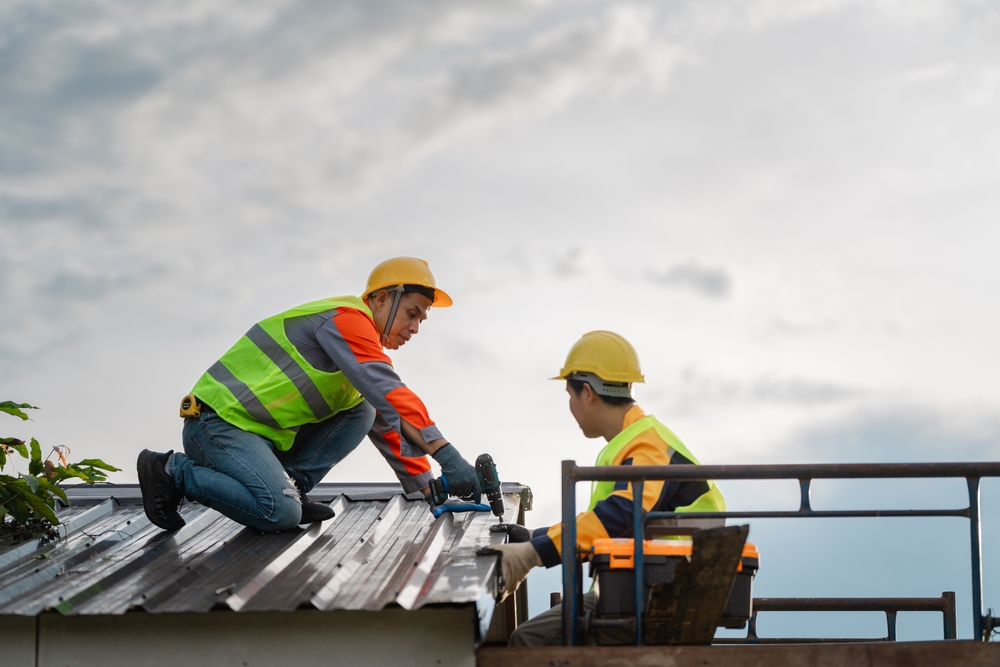
Metal roofing systems are more complex than most people realize. They require much more than placing panels and fastening them down. One of the most critical steps in commercial and residential roofing projects is roofing run-out panel installation, which directly impacts roof performance and long-time weather protection that is essential to Utah homeowners.

Contractors who overlook structural alignment, material compatibility, and safety standards often face costly callbacks and warranty issues. Once the process is mastered, the end result is a clean, watertight system that performs well for decades to come.

Metal roofing systems are more complex than most people realize. They require much more than placing panels and fastening them down. One of the most critical steps in commercial and residential roofing projects is roofing run-out panel installation, which directly impacts roof performance and long-time weather protection that is essential to Utah homeowners. Contractors who overlook structural alignment, material compatibility, and safety standards often face costly callbacks and warranty issues. Once the process is mastered, the end result is a clean, watertight system that performs well for decades to come. <h2>Structural Requirements and Proper Alignment Techniques </h2> A successful <a href="https://www.cypressmetals.com/commercial-contractors/roofing-run-outs/">roofing run-out</a> panel installation starts with a properly prepared structure. Roof framing should be square and level, as any structural deviation will prevent the panels from aligning correctly and create gaps in the weather seal. Industry best practices emphasize checking the structural plane before installing any panels. Contractors should use laser levels or string lines to confirm that framing members are aligned correctly. A structure that is out of plane will follow that irregular shape, leading to uneven seams and potential water infiltration points. Some proper alignment techniques could include any of the following: <ul> <li> Starting panel layout from a fixed square reference point</li> <li> Checking alignment as the installation process continues for uniformity</li> <li> Ensuring panels remain straight along both vertical and horizontal runs </li> </ul> Metal roofing defects are common due to improper alignment. This can lead to aesthetic issues, such as “oil canning,” or functional problems, such as improper seam engagement. <h2>Material Compatibility with Existing Roofing Systems </h2> Material compatibility is another essential factor in roofing run-out panel installation.  Not all metals, coatings, and underlayments will work together. Mixing incompatible materials can lead to corrosion and premature failure.  Contractors must ensure that new metal panels are compatible with existing roof substances (i.e., wood, steel framing, or wood decking). Fasteners and sealant systems should be designed for that specific panel type. Installing panels over the wrong underlayment can trap moisture and cause hidden structural damage. Keeping all components within the same approved system helps ensure long-term durability and compliance with warranty requirements. Installing in climates like Utah requires extra attention because rapid temperature swings can intensify condensation risks if systems are not properly matched. <h2>Common Mistakes and How To Avoid Them</h2> Roofing installation errors aren’t typically with the product itself, but with the installation. Even small mistakes can lead to major performance issues down the road. Some of the most common errors include: <ul> <li> Starting installation off-square, causing misalignment across the entire roof</li> <li> Overdriving or underdriving fasteners, which weakens panel stability or causes leaks</li> <li> Ignoring manufacturer overlap and seam requirements</li> <li> Failing to account for thermal expansion and contraction</li> </ul> It’s also imperative not to force panels into position. Instead, they should be strategically placed to naturally align with the structure. This can stress the metal, distort seams, and reduce weather resistance. Manufacturer installation instructions should be followed precisely.  Also, proper fastening patterns should be used, and alignment should be double-checked at every step of the installation process. <h2>Safety Standards and Compliance Requirements </h2> Safety is a critical part of any roofing run-out panel installation project. OSHA guidelines should be followed precisely, especially regarding fall protection and ladder safety. Another example is the panels themselves. They can be very sharp along the corners, and workers should wear thick gloves to protect their hands. Detailed safety and compliance checklists can be essential before starting any job. This protects workers and avoids legal issues. There are also building codes that can require the following: <ul> <li> Approved fastening methods based on wind uplift zones</li> <li> Minimum slope requirements for metal roofing systems</li> <li> Proper sealing methods for weather-tight performance</li> </ul> <h2>Key Takeaways For Roofing Run-out Panel Installation</h2> Preparation, consistency, precision, and close attention to detail are the foundation for a successful metal panel installation. Most installation problems can be avoided by following a disciplined process from start to finish. Always verify structural alignment before panel placement. Secondly, follow manufacturer specifications and don’t take any shortcuts. Finally, maintain strict safety and code compliance on every project. When these guidelines are followed, you’ll enjoy a metal roofing system that performs better and lasts longer. <h2>Planning A Metal Roofing Project In Utah?</h2> If you’re planning<a href="https://www.cypressmetals.com/commercial-contractors/roofing-run-outs/"> metal roofing in Utah</a>, Cypress Metals provides contractors with precision-made roofing run-outs, <a href="https://www.cypressmetals.com/contact-us/">expert fabrication support</a>, and high-quality materials designed for reliable performance. Our metal roofing products make every step easier for contractors, helping them work faster and feel confident in the final result.

Structural Requirements and Proper Alignment Techniques

A successful roofing run-out panel installation starts with a properly prepared structure. Roof framing should be square and level, as any structural deviation will prevent the panels from aligning correctly and create gaps in the weather seal. Industry best practices emphasize checking the structural plane before installing any panels. Contractors should use laser levels or string lines to confirm that framing members are aligned correctly. A structure that is out of plane will follow that irregular shape, leading to uneven seams and potential water infiltration points.

Some proper alignment techniques could include any of the following:

  • Starting panel layout from a fixed square reference point
  • Checking alignment as the installation process continues for uniformity
  • Ensuring panels remain straight along both vertical and horizontal runs

Metal roofing defects are common due to improper alignment. This can lead to aesthetic issues, such as “oil canning,” or functional problems, such as improper seam engagement.

Material Compatibility with Existing Roofing Systems

Material compatibility is another essential factor in roofing run-out panel installation.  Not all metals, coatings, and underlayments will work together. Mixing incompatible materials can lead to corrosion and premature failure.  Contractors must ensure that new metal panels are compatible with existing roof substances (i.e., wood, steel framing, or wood decking). Fasteners and sealant systems should be designed for that specific panel type.

Installing panels over the wrong underlayment can trap moisture and cause hidden structural damage. Keeping all components within the same approved system helps ensure long-term durability and compliance with warranty requirements. Installing in climates like Utah requires extra attention because rapid temperature swings can intensify condensation risks if systems are not properly matched.

Common Mistakes and How To Avoid Them

Roofing installation errors aren’t typically with the product itself, but with the installation. Even small mistakes can lead to major performance issues down the road. Some of the most common errors include:

  • Starting installation off-square, causing misalignment across the entire roof
  • Overdriving or underdriving fasteners, which weakens panel stability or causes leaks
  • Ignoring manufacturer overlap and seam requirements
  • Failing to account for thermal expansion and contraction

It’s also imperative not to force panels into position. Instead, they should be strategically placed to naturally align with the structure. This can stress the metal, distort seams, and reduce weather resistance. Manufacturer installation instructions should be followed precisely.  Also, proper fastening patterns should be used, and alignment should be double-checked at every step of the installation process.

Safety Standards and Compliance Requirements

Safety is a critical part of any roofing run-out panel installation project. OSHA guidelines should be followed precisely, especially regarding fall protection and ladder safety. Another example is the panels themselves. They can be very sharp along the corners, and workers should wear thick gloves to protect their hands. Detailed safety and compliance checklists can be essential before starting any job. This protects workers and avoids legal issues. There are also building codes that can require the following:

  • Approved fastening methods based on wind uplift zones
  • Minimum slope requirements for metal roofing systems
  • Proper sealing methods for weather-tight performance

Key Takeaways For Roofing Run-out Panel Installation

Preparation, consistency, precision, and close attention to detail are the foundation for a successful metal panel installation. Most installation problems can be avoided by following a disciplined process from start to finish. Always verify structural alignment before panel placement. Secondly, follow manufacturer specifications and don’t take any shortcuts. Finally, maintain strict safety and code compliance on every project. When these guidelines are followed, you’ll enjoy a metal roofing system that performs better and lasts longer.

Planning A Metal Roofing Project In Utah?

If you’re planning metal roofing in Utah, Cypress Metals provides contractors with precision-made roofing run-outs, expert fabrication support, and high-quality materials designed for reliable performance. Our metal roofing products make every step easier for contractors, helping them work faster and feel confident in the final result.

chimney pot shapes

When it comes to your home’s exterior, small architectural details can make a big difference. Chimney pots are a great example. While they are often overlooked, these structures sit at the very top of your chimney, quietly improving performance while adding visual character to your roofline. Understanding how different chimney pot shapes work can help you choose the perfect option for style and function.

chimney pot shapes

What Are Chimney Pots and Why Do They Matter?

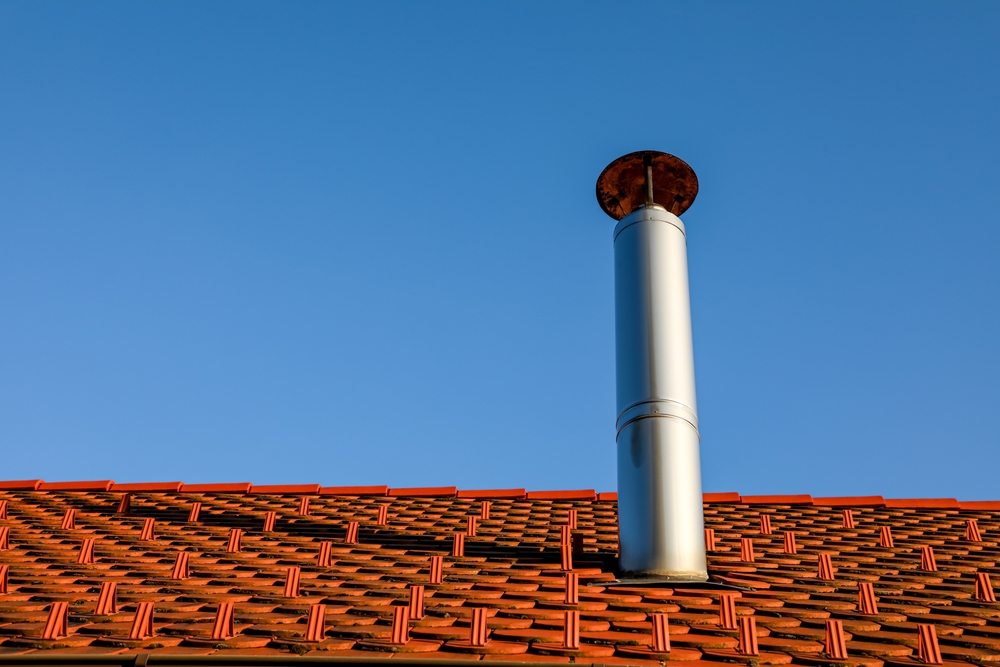
A chimney pot is an extension placed on top of a chimney flue. The primary purpose of one is to improve airflow and safely vent smoke and gases from your home. Since they increase the height of the chimney, they can strengthen the natural draft. This allows combustion gases to rise more efficiently.

Chimney pots do a lot to improve performance, but they also protect the chimney from debris, rain, and unwanted animals entering the home. They also come in a variety of shapes that add a decorative touch to your home, noticeable to anyone who passes by. Different chimney pot shapes can significantly enhance curb appeal and the overall functionality of the property.

Understanding Roof Aesthetics and Chimney Pot Shapes

The roofline can determine which chimney pot shapes work best, not only for functionality but also for appearance.  Cypress Metals offers several distinctive designs that pair beautifully with different home styles.

If you have a traditional home, the Circle Pot with Crown Pan or the Taper Pot is an excellent choice. They have a rounded, classic look that complements brick chimneys and pitched roofs. It gives your home an elegant, timeless feel that maintains the architectural integrity of older styles.

For more modern homes,  a Stepped Pot or a Custom X-Top design can provide sharper lines and a more structured appearance. These styles work well with contemporary rooflines, adding architectural interest without overwhelming the design.

There are also homes throughout Utah that have cottage-style or decorative appearances. For these homes, the Light House Pot or Light House Pot with Crown Pan adds character and vertical detail. These designs bring a slightly more ornate, eye-catching element that enhances charm and curb appeal.

You can learn more about the different colors and styles Cypress Metals offers to find what works best for your property.

Functionality Factors: More Than Just Looks

Chimney pots provide a nice decorative touch for the home, but their purpose matters just as much. This is important when you’re deciding which chimney pot shape works best for the home.

Different shapes can impact airflow and performance. For example, taller, cylindrical pots are excellent for maximizing draft because they extend the chimney height, increasing the upward pull of air. Tapered designs help reduce downdrafts by minimizing the opening exposed to wind. This is especially useful in areas with strong or unpredictable weather that is common in Utah.

Tapered pots are ideal when the chimney is located in an area prone to high winds or inconsistent air pressure. They are often chosen for shorter chimneys where maximizing the draft isn’t the main concern, but protecting against wind-driven rain and minimizing weather impact is critical. Their shape naturally directs airflow and offers a more streamlined profile against the elements.

No matter which shape you choose, having a chimney pot can help preserve the chimney’s structure over time. They provide the following benefits:

  • Water infiltration barrier: Precipitation, such as rain and snow, can cause significant damage to chimneys over time. Chimney pots prevent water from entering the structure, which can erode it.
  • Reduced moisture damage: This preventive measure minimizes saturation, the leading cause of internal damage and costly repairs over time.
  • Better structural integrity: Chimney pots can protect the crown, preventing masonry from cracking or crumbling due to exposure to the elements.

Why Metal Chimney Pots Are Superior

When comparing materials, metal options stand out as one of the best investments for long-term performance. Clay options have their place, but modern metal chimney pot shapes (stainless steel or copper) offer several key advantages.

Durability is the first primary advantage of metal. Metal chimney pots are far less likely to crack or break compared to clay, which can be brittle and susceptible to damage from weather or falling debris. Their designs can withstand impacts from weather elements that would otherwise damage other materials.

Weight and installation are other key factors. They are durable, but also significantly lighter than other materials. This also reduces structural stress on the chimney itself over time. Finally, you have to consider maintenance, which is much easier with metal. Metal chimney pots are resistant to rust, corrosion, and weather damage. Many require little to no maintenance and are built to last for decades.

Choose The Right Chimney Pot Shape With Cypress Metals

One of the biggest advantages of working with Cypress Metals is the ability to create custom chimney pots tailored to your home. Instead of settling for a one-size-fits-all option, custom fabrication lets you match exactly what you need for your home. Explore more about our top chimney pot designs and how we can add beauty and efficiency to your Utah home for the foreseeable future.

metal chimney pot colors

Small details can make a big difference when it comes to the exterior of your home, and that includes your chimney. Homeowners often overlook how much metal chimney pot colors can influence the overall look and performance of their home. While the right color can have a visual impact, it also affects durability, maintenance, and how well your chimney stands up to the elements.

If you’re considering upgrading or installing a chimney pot, you might be surprised to learn how many color options are available. While there isn’t a right or wrong choice, it’s good to know what benefits certain colors do have.
metal chimney pot colors

Popular Color Choices

One of the first decisions you’ll make is choosing from the most common metal chimney pot colors available. These finishes are popular for a reason. They are stylish and have long-lasting performance.

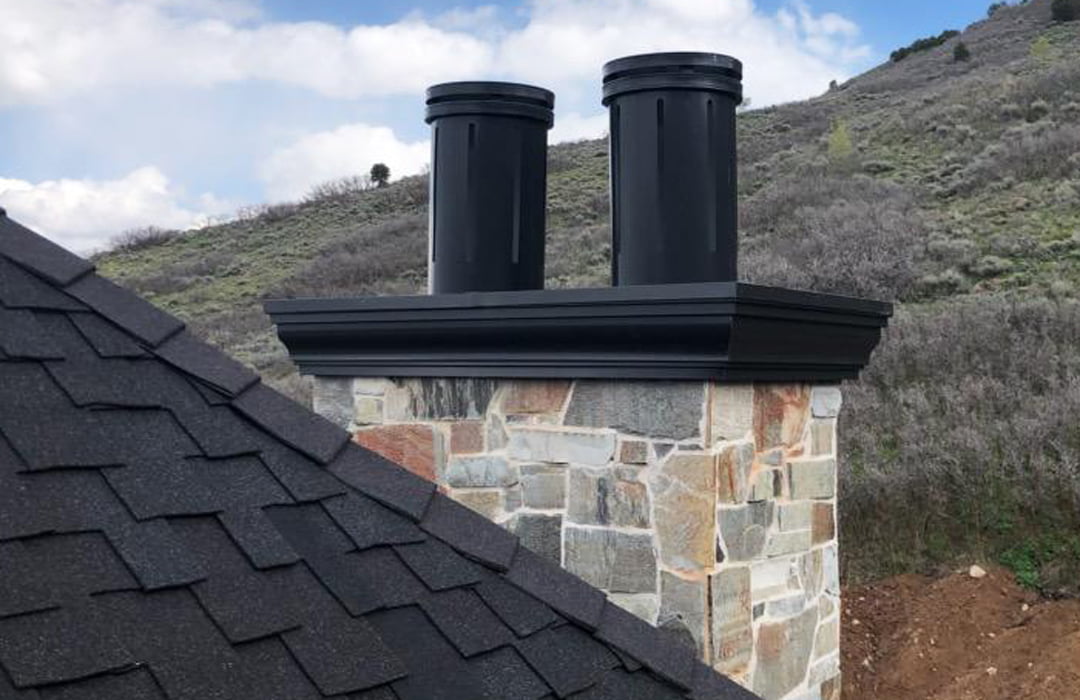
  • Black: A timeless, versatile option that pairs well with nearly any roof or exterior. It offers a clean, classic look.
  • Bronze: Medium and dark-toned bronze adds subtle richness and works beautifully with traditional or rustic homes.
  • Classic copper- This is an eye-catching color that develops a natural patina over time, giving it a unique, evolving look.
  • Silver metallic- This finish provides a sleek, modern aesthetic often chosen for contemporary architecture.

Each of these options gives homeowners flexibility in matching their chimney pot to their home’s design. You want something that complements your home, not works against it. It might seem like a minor detail, but it can help the whole exterior flow seamlessly.

Aesthetic Coordination Matters

Chimney pots might seem like a small part of exterior design, but they can play a bigger role in your home’s visual appeal than you might think. The right metal pot chimney colors can help tie together roof, siding, and even various elements of your landscaping. For example, black or gray chimney pots can work well with asphalt shingles or darker roofs, creating a cohesive and polished look.

Another example of bronze or copper finishes. These can add warmth and contrast that work really well on brighter colored homes or ones with brick exteriors. Directly on our website you can explore the Firestone Color Chart. It is a resource that provides a range of tones and finishes that can help you visualize how different colors will look in real-world applications.

Heat and Weather Impact

Metal chimney pot colors can also influence how your chimney performs in different weather conditions. Dark colors like black, brown, or red, can tend to absorb more heat from the sunlight. This can be beneficial in colder climates, where a bit of extra warmth can help reduce moisture buildup. The only small drawback is the increased surface temperature with more heat absorption.

Lighter finishes (like white or silver metallic) are highly reflective. This can help keep the chimney cooler and reduce thermal expansion, which may extend the life of the material over time. Weather resistance is another factor to consider when choosing your color. High-quality metal chimney pots are expertly designed to protect against the elements, regardless of their finish. Dark and light colors have different benefits and thermal properties. Dark colors absorb more solar heat (which aids in reducing moisture) and lighter colors reflect it (which can minimize stress). Both options can provide long-term durability.

Customization and Coatings

One of the biggest benefits of modern chimney pots is the ability to  customize color and finish. Powder coating is a popular option because it creates a tough, protective layer that resists chipping, fading, and corrosion. It also gives homeowners a range of more choices because it allows for virtually any color match, offering truly custom results. Another option is a patina finish, especially for copper chimney pots. Over time, copper naturally changes color, developing a distinctive aged look that many homeowners love. This evolving appearance adds character and charm, making your chimney pot a standout feature of your property that draws attention of others.

Customization isn’t just about color. It’s about selecting a product that can fit the style of your home’s exterior while giving superior protection against nature’s elements.

Choosing The Right Metal Chimney Pot Colors

With the number of colors you can choose from and the extra customization options, there are several factors to consider when picking the right pot color for your home. Some examples can include:

  • Your home’s exterior color palette
  • The climate in your area
  • The level of maintenance you’re comfortable with
  • Your personal style preferences

Taking some time to evaluate these factors will ensure your chimney pot looks great and performs well over time.

Ready To Upgrade Your Chimney? Get In Touch With Cypress Metals

A chimney pot is certainly a functional feature of your property, but it can also enhance your home’s visual appearance as well. With a wide range of colors and customization options, there’s really no wrong choices. It boils down to what you like. At Cypress Metals, we provide our customers with a wide range of chimney pot designs and colors throughout the Salt Lake City, Utah, area. Contact us today to find the perfect match for your home!

chimney pot ventilation

If your fireplace or heating system doesn’t seem to be pulling smoke upward the way it should, you’re not imagining things. One of the most common (and frustrating) aspects of owning a home with a chimney is poor airflow. Not only does it compromise performance but your home can also become a safety risk. Chimney pots can be a simple yet effective upgrade that can make a surprisingly big difference in how your chimney performs.

chimney pot ventilation

What Is A Chimney Pot?

Whether you realized it or not, chimney pots have been around for centuries, but they have drastically improved over time. The main goal of one is to improve the chimney’s airflow so smoke and gases can exit safely, while also protecting the flue from weather, debris, and animals.  The result is an efficient part of the house that works optimally when you need it most.

Why Draft Efficiency Matters More Than You Think

Chimneys rely on draft because they create a natural pressure difference. The draft pulls combustion byproducts up and out of your home. A strong, consistent draft is essential for fire safety and fuel efficiency. There are all kinds of issues that can occur with weak drafts, including lingering smoke, unpleasant odors, and even harmful fumes that can be pushed back inside the home.

Chimney pot ventilation improves draft efficiency by extending the chimney flue higher above the roofline. That added height creates stronger air circulation, which helps hot air rise more consistently and escape faster. A good way to think about it is by giving the chimney a clearer path upward. There is less resistance and a better draw.

A better draft means smoke gets pulled out quickly instead of swirling around the fireplace opening. It also helps your heating system operate more smoothly, especially during colder months when steady airflow is critical.

Managing Wind To Work With Your Chimney

Wind can be the best friend of your chimney, but it can also be your worst nightmare. In some conditions, gusty or turbulent winds can blow straight down the flue, causing downdrafts that push smoke and cold air back into the house. When the wind is coming towards you instead of out of the chimney, wind interference is usually the reason why.

Certain chimney pot designs are shaped to redirect wind rather than fight it. Instead of allowing gusts to enter the flue, these designs encourage air to pass over the top, helping maintain upward airflow inside the chimney. This can be helpful in the Salt Lake City area, which is common with strong wind patterns. By managing wind interference, chimney pots help maintain a consistent and reliable updraft, which is key to safer and more efficient venting. Good chimney pot ventilation isn’t eliminating wind, but managing it effectively.

Reaping Energy And Safety Benefits

Ask any Utah homeowner what they value for their home, and you’ll most likely get similar results. They desire a safe and affordable living environment. That’s what a chimney pot can do for your house. When airflow is restricted, backdrafts can occur. That means smoke, carbon monoxide, and other gases don’t exit properly. This can be a serious concern for any home with a fireplace or fuel-burning appliance.

Proper chimney pot ventilation helps reduce the likelihood of backdrafts by keeping air moving in the right direction. Combustion gases exit quickly and cleanly, which greatly reduces the likelihood of any indoor air quality problems. If you or a family member suffers from respiratory issues, they can be a lifesaver.

It’s becoming increasingly expensive to keep a home running at an optimal level, but you can take great strides to reduce energy consumption with chimney pots. When a chimney drafts properly, fireplaces and heating systems burn more efficiently. That efficiency can help maintain more stable indoor temperatures and reduce how hard your system has to work to produce heat. Over time, better performance can translate into fewer issues and reliability that you can count on.

Design Enhancements That Can Increase Performance

Chimney pots can have even better performance when they are paired with additional design enhancements to increase ventilation efficiency even further. Add-ons like cowls or caps can play a big role in directing airflow and keeping unwanted elements out of the flue.

A cowl is great for preventing downdrafts because it uses a rotating design to redirect wind and keep the draft moving upward. Caps can prevent debris or animals from entering while still allowing smoke to escape freely. When combined with a well-designed chimney pot, these features create a system that supports consistent draft and long-term chimney health.

A Small Upgrade With Long-Term Impact

Chimney pots are a one-time investment that provides long-term value for your household. Whether you’re dealing with minor smoke issues or simply want to improve how your chimney functions, they offer a practical solution that blends form and function. They enhance airflow, help manage wind, support efficient heating, and protect your chimney, all without complicating your system.

Get The Benefits Of Excellent Chimney Pot Ventilation

If you’re looking for a durable, custom solution designed to enhance airflow and support long-term chimney health, explore custom-fabricated chimney pots from Cypress Metals. Explore our range of popular designs today that will add beauty and efficiency to your Utah home for the foreseeable future.

fiber laser maintenance

Fiber laser cutting machines are powerful tools that provide high precision and efficiency for metal fabrication. Even advanced equipment needs regular maintenance and calibration to ensure superior performance. Practicing regular fiber laser maintenance not only extends the life of your machine but also ensures consistent cutting quality. Learn more about the key steps in keeping a fiber laser cutting machine in top condition.

fiber laser maintenance

Routine Cleaning: Keep Your Machine Sharp

Routine cleaning is the backbone of fiber laser maintenance.  Over time and continual use, the machine is exposed to dust, metal particles, and residue that can build up on the critical components. Uncleaned lenses, nozzles, and filters can affect the beam quality and lead to costly repairs.

  • Lenses: The purpose of the lens is to focus the laser beam. They must be spotless. Use only manufacturer-approved cleaning solutions and lint-free wipes, following a strict, gentle wiping pattern to avoid scratching.
  • Nozzles: The nozzle directs the assist gas and the laser beam onto the material. A dirty or damaged nozzle can lead to poor cuts. Inspect and clean the nozzle tip daily to remove spatter and residue. Replace it immediately if you notice any deformation or wear.
  • Filters: Your machine has air and water filters that prevent contaminants from reaching sensitive components. Check and clean or replace these filters according to your machine’s manual. Clogged filters reduce cooling efficiency and can cause overheating or even lead to component failure.

Simply put, a clean machine operates more efficiently and reduces the likelihood of breakdowns and costly repairs.

Calibration Steps: Aligning for Precision

Routine cleaning is imperative, but even that’s not enough if the laser cutting machine isn’t calibrated. Calibration ensures that the machine’s components are accurately aligned to guarantee the highest level of cutting precision and quality. Essentially, it means the laser is hitting where it should.

  1. Check the laser head alignment: A laser head needs to be precisely aligned with the X and Y axes. If it is even slightly off, this means you will experience noticeable deviations in cut position and quality. Most machines have alignment tools or software-guided checks to simplify this process.
  2. Verify focal length:  The focal length refers to the distance between the material and the laser lens. When the length is incorrect, the laser beam won’t be concentrated enough to achieve the cut quality.
  3. Test cuts for desired accuracy: After adjustments, perform a few test cuts on scrap material to confirm that the alignment and focus are correct. This step ensures your settings produce consistent results on real projects.

Performing these calibration steps regularly as part of fiber laser maintenance gives the machine reliability and precision needed to handle any fabrication challenges.

Stay Current With Software and Firmware Updates

The modern laser cutting machines are capable of monitoring everything from the status of the cooling system’s temperature to the status of the laser itself. Outdated software can cause slower performance, errors, or even compatibility issues with new materials.

  • Check for updates: Most manufacturers release updates to improve functionality or fix minor bugs. Check the official website or your machine’s interface regularly.
  • Install safely: Always follow the manufacturer’s instructions when updating software to avoid system errors. Backup your current settings before installing updates.

Staying current ensures your machine operates at peak efficiency. Regularly applying these updates is a simple but critical element of comprehensive fiber laser maintenance.

Prevent Costly Breakdowns With Scheduled Maintenance

While routine cleaning and calibration can be handled in-house, scheduled maintenance ensures that your fiber laser cutting machine stays in top condition over the long term. This includes periodic inspections and professional servicing.

  • Professional Inspection: Schedule an annual or bi-annual inspection with certified technicians. They check complex systems like the resonator, cooling unit, and beam delivery system.
  • Component Replacement: Technicians replace high-wear items like certain optics, seals, or specific drive components. Staying proactive can prevent unexpected downtime.

Keep Your Projects Precise with Expert Services

Partnering with a professional service means you can focus on your projects while trusting that every cut meets the highest standards. Whether it’s for custom fabrication, prototyping, or large-scale production, professionals can handle every detail. As a result, you don’t have to worry about machine breakdowns or losing money with scrap material and lost productivity.

For businesses or hobbyists seeking precision without the hassle of extensive upkeep, metal laser cutting services from Cypress Metals are the perfect solution. Using advanced 3K and 6K fiber laser cutting machines that are expertly maintained and calibrated, Cypress Metals delivers exceptional results with intricate cuts and clean edges. Our highly experienced specialists ensure each project meets exact specifications, providing fast turnaround times and reliable results. Contact us to learn more about our services.

metal thickness for laser cutting

When it comes to laser cutting, it’s easy to focus on the design or the material itself, but there are other important factors that often get overlooked. Metal thickness for laser cutting is one of the most essential parts of the process. The right thickness can play a significant role in how clean the cut looks and whether the finished part performs the way it should. If you’ve ever wondered why one project cuts smoothly while another struggles, thickness is usually part of the answer.

metal thickness for laser cutting

Why Metal Thickness For Laser Cutting Matters

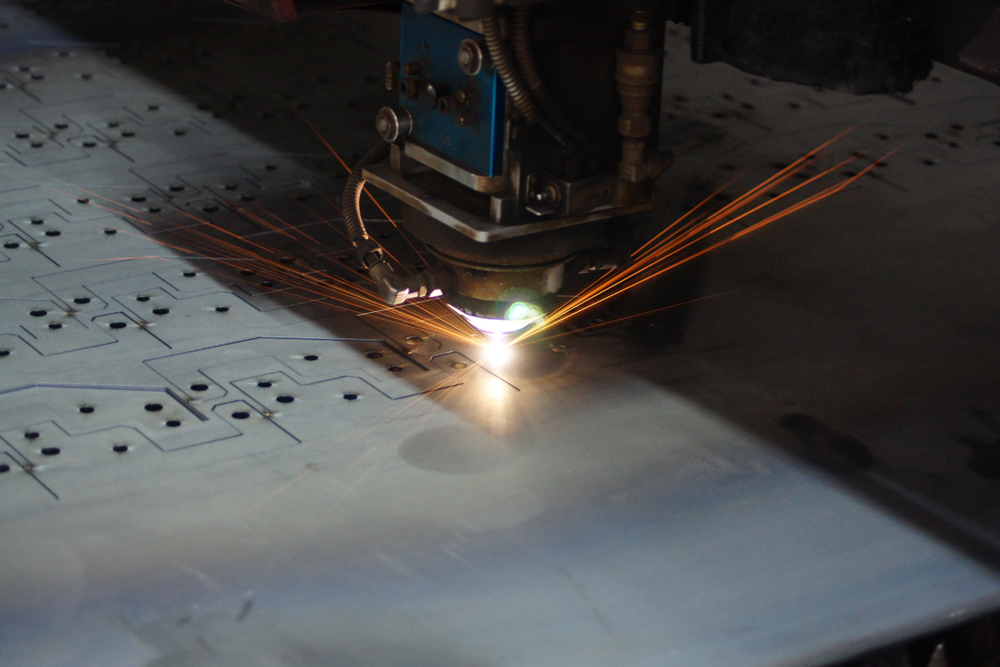
Laser cutting is an intricate process that focuses intense energy into a narrow beam that melts or vaporizes metal. When the metal is thicker, it takes more power and precision to cut through it cleanly. What happens when you choose the wrong metal thickness for laser cutting? Anything from rougher edges to increased production costs. When you choose the right thickness, you ensure faster processing times, minimize waste, and achieve the exact tolerances required for your application.

Match Laser Power to Metal Thickness

Laser wattage is a crucial part of the metal cutting process because it directly correlates with the maximum thickness of metal it can effectively cut. Essentially, higher wattage allows you to cut metals more efficiently. Lower-powered lasers are great for thin sheet metal, where speed and precision are the priority. As metal thickness increases, more power is required to maintain a clean cut without excessive heat buildup.

Here’s a breakdown below of how metal thickness can affect the process:

  • Thin metals cut quickly with minimal distortion
  • Medium-gauge metals require balanced power and speed
  • Thicker metals demand higher wattage and slower passes

Experienced laser cutting providers always evaluate thickness before starting a job. They know the optimal settings and power adjustments required to ensure the desired outcome.

How Different Metals Handle Thickness

Different metals can behave differently under the same laser because they have different thermal properties and reflectivity. It plays a big role in how well the laser will cut. Consider the different metal types below:

  • Stainless steel- This is one of the most laser-friendly metals. It cuts clean across different thickness levels and holds edge quality well. This makes it popular for industrial and architectural applications.
  • Mild steel- This is another versatile metal because it can be cut efficiently at various thicknesses, though very thick mild steel might require specialized, high-powered lasers to achieve the cleanest edge quality.
  • Aluminium- Consider this a lightweight metal that reflects more heat. This makes thicker aluminum more challenging to cut and often requires specialized settings to achieve clean results.

Thickness, Edge Quality, and Cutting Speed

The cutting process naturally slows down as the metal thickness increases. This reduction in speed is necessary to ensure the laser fully penetrates the material and produces a smooth, perpendicular edge. Thinner materials allow for faster processing speeds, which can lead to lower overall production costs for high-volume jobs. Balancing the required edge quality with the project’s timeline is essential when choosing the appropriate thickness. For projects where edge appearance is critical (like architectural facades or custom signage), choosing a thickness that the laser can handle efficiently at a slightly slower speed will yield superior results.

Choosing The Right Thickness Based On Your Application

The best metal thickness for laser cutting often depends on how the final part will be used.

Signage, Decorative panels, and Custom Artwork

Thin sheets are ideal for these projects because they require less structural integrity and the primary focus is on intricate design and low material cost. The speed of cutting thin material also keeps production efficient.

Brackets, Frames, and Industrial Components

Thicker metals are better for strength and durability. These parts may take longer to cut, but the added thickness ensures they hold up under stress.

Structural Supports and Heavy Machinery Parts

These applications demand the maximum metal thickness for laser cutting to guarantee long-term integrity and load-bearing capability. While cutting speed is significantly reduced, the precision offered by the laser process is still valuable for creating parts with exact hole alignments and critical dimensions.

Balancing Cost And Performance

Thicker metal isn’t always the best choice. It does add strength, but increases cutting time. Choosing the thickest option can drive up expenses that weren’t necessary. For instance, you may end up paying more for material, longer cutting times, and added energy use without gaining any real performance benefits.

Why Choose Cypress Metals?

Choosing the right partner matters when you want to keep costs within your budget and get a superior result. Our metal laser cutting services serve a wide range of industries, including construction, metal fabrication, and automotive applications.  Our team understands how to match material, thickness, and cutting techniques to your exact needs. Whether you’re producing custom components or large-scale parts, Cypress Metals delivers consistent quality you can count on.

fiber vs. CO2 laser cutting

Metal fabrication projects can be complex, and choosing the right cutting method can make all the difference. Understanding how fiber vs CO₂ laser cutting differs is essential. It’s safe to say that both technologies have shaped the industry for the better for years, but they operate fundamentally in different ways. These differences affect everything from precision and speed to cost and material compatibility. If you’re comparing capabilities or deciding which service better fits your needs, this guide breaks down the key contrasts clearly and practically.

fiber vs. CO2 laser cutting

How The Two Technologies Work

If you had to say the fundamental difference when comparing fiber vs CO₂ laser cutting, it would have to be how the two beams operate. Fiber lasers use solid-state diode technology, meaning light is pumped into a fiber optic cable where it becomes amplified. Then, it gets converted into a powerful, precise laser beam. The process is extremely efficient because it occurs within a sealed fiber system.

Conversely, CO₂ lasers work with a gas mixture (typically CO₂), nitrogen, and helium. Electricity excites the gas inside a sealed tube, producing the laser beam. It’s been a solid foundation for high-volume work output, but it naturally introduces more opportunity for energy loss and requires more mechanical components to keep the system running smoothly.

Efficiency and Operational Cost Differences

Energy efficiency and operational costs are other factors to consider when comparing fiber vs CO₂ laser cutting. Fiber lasers often have a clear advantage for several reasons. They are in a solid state and require no gas refills, and convert a much higher percentage of electrical energy into usable cutting power. CO₂ lasers typically achieve 10–15% efficiency, while fiber lasers can reach 30–40%. What does this translate to? Lower power consumption and reduced energy bills, which can be a top priority for shops cutting metal day in and day out.

It’s also important to consider maintenance when comparing fiber and CO₂ laser cutters. Fiber lasers often require much less maintenance. There are no gas tubes to replace, no mirrors to realign, and fewer moving parts overall. CO₂ lasers involve more downtime due to the upkeep of alignments, filters, and optics. The bottom line is that fiber laser cutting tends to cost less in the long run, even if your initial investment is higher. This is one of the reasons many fabrication shops have transitioned from CO₂ to fiber systems as their primary setup for metal cutting.

Material Suitability and Performance

One of the most important aspects of the fiber vs CO₂ laser cutting comparison is which materials each system handles best. Fiber lasers excel at cutting any type of reflective material. Some of these examples include:

  • Copper
  • Brass
  • Aluminum
  • Stainless steel

These metals can reflect the longer wavelength produced by CO₂ lasers, bouncing the beam away and potentially damaging the equipment. Fiber lasers are better for the materials listed above because they generate a much shorter wavelength, allowing the beam to be absorbed more effectively. Not only does it allow for better efficiency, but it’s also much safer.

CO₂ lasers still have their value in certain situations. One of the advantages they’re known for is the precise and smooth cuts they can achieve on thicker non-metal materials like wood, acrylic, and plastics. For teams working on a wide variety of materials (specifically non-metals), you can see the value that this type of laser would have. However, in a purely metal-focused comparison, the clear advantage goes to fiber lasers.

Precision and Speed: Where Fiber Laser Cutting Stands Out

When it comes to the bottom line, productivity is going to be a top priority. Fiber lasers consistently deliver faster speeds, especially on thin to medium sheet metals. They deliver a smaller, more concentrated beam spot. This tighter focus increases cutting efficiency and precision, allowing fiber machines to cut at dramatically faster rates compared to CO₂ lasers on the same material thickness. A good example of this is thin-gauge stainless steel. Fiber lasers would be able to cut that material type 2-3 times faster.

Positioning is extremely accurate because the beam is delivered through fiber optics. As a result, you’ll have the precise lines you need and tighter tolerances, which are imperative for different industries like manufacturing, aerospace, automotive components, and architectural metalwork. CO₂ machines can still produce excellent edge quality, especially on thicker materials and non-metals, but their speed and accuracy simply can’t match fiber systems in most metal-focused applications.

Fiber vs CO₂ Laser Cutting: Which Should You Choose?

Consider this quick guide below when making the choice between fiber and CO₂ laser cutting.

You should lean toward fiber laser cutting if:

  • You’re cutting primarily metals
  • You need high precision and fast turnaround
  • You work with reflective materials like copper or brass
  • Long-term operational cost and efficiency are priorities

CO₂ laser cutting may be better if:

  • Your project involves thicker materials beyond metal
  • You need exceptional edge finishes on non-metals
  • Versatility across multiple material types matters more than speed

Metal Laser Cutting Services In Orem, Utah

Partnering with an experienced team ensures you get the right technology for your project’s materials, tolerances, and finish requirements. Professional shops understand how each system performs and can match your design with the ideal cutting method. For reliable, high-precision results, explore Cypress Metals’ expert Metal Laser Cutting Services.

metal fabrication salt lake city

From large commercial builds to custom architectural details, contractors across Utah rely on precision metalwork that performs beautifully under pressure. At Cypress Metals, we deliver exactly that. We provide metal fabrication in Salt Lake City that combines advanced technology with decades of hands-on expertise, creating components that meet demanding specifications while maintaining exceptional durability and visual appeal.

We’ve become the preferred partner for construction professionals, architects, and designers seeking dependable metal fabrication in Utah—from premium metal roofing systems and industrial components to intricate architectural finishes that define a structure’s character.

metal fabrication salt lake city

What Sets Our Fabrication Apart

Metal fabrication isn’t simply cutting and welding—it’s the art of transforming raw material into purpose-built, high-performance products. Our process begins with collaboration. Every project starts with a detailed consultation to understand design goals, functional needs, and installation conditions. Using CAD design software and CNC precision equipment, we ensure every measurement, bend, and cut aligns perfectly with your plan.

Our state-of-the-art machinery allows us to fabricate metals with tight tolerances and exceptional repeatability. Whether forming lightweight aluminum panels for exterior cladding or creating heavy-gauge steel components for industrial equipment, our team brings craftsmanship and efficiency to every stage.

Trusted by Utah’s Leading Contractors

Top contractors throughout the Salt Lake Valley know that consistency matters. That’s why they choose Cypress Metals for projects where accuracy and turnaround time are critical. We understand how costly production delays can be, so our workflow is designed for speed without sacrificing quality.

Our fabrication shop in Salt Lake City operates with advanced scheduling systems, allowing us to manage multiple large-scale projects simultaneously. From high-rise roofing installations downtown to manufacturing facilities across the Wasatch Front, we provide the precision components that keep Utah construction moving.

We also collaborate directly with architects and project managers, translating detailed design concepts into finished metalwork that meets both structural and aesthetic requirements.

Comprehensive Fabrication Capabilities

Our expertise spans a broad range of metalworking disciplines, enabling us to deliver complete, end-to-end solutions for complex projects.

1. Laser Cutting and CNC Machining

Our laser systems ensure clean, accurate cuts for intricate designs, while CNC machining provides repeatable precision across multiple parts.

2. Welding and Assembly

Skilled welders join components for maximum strength and long-term performance, ensuring every seam meets structural standards.

3. Sheet Metal Forming and Bending

We shape panels and brackets of all sizes—perfect for roofing systems, soffits, siding, and decorative architectural applications.

4. Custom Architectural Metalwork

From chimney caps and finials to bay window covers and canopies, we craft distinctive elements that elevate Utah’s commercial and residential properties.

5. Industrial and Roofing Applications

Metal fabrication in Salt Lake City extends to large industrial components, precision roofing panels, and complete metal exterior systems engineered for Utah’s variable climate.

Each service is backed by rigorous quality control. Before leaving our facility, every piece undergoes inspection to verify dimensional accuracy, finish quality, and material integrity.

Built for Utah’s Environment

Utah’s climate demands materials that withstand snow, wind, and intense summer heat. Our fabricated metals are engineered for long-term durability and minimal maintenance. Whether installed on mountain properties or commercial buildings along the Wasatch Front, our products maintain strength and appearance through years of exposure.

Cypress Metals uses only premium steel, aluminum, and copper—all selected for corrosion resistance, longevity, and visual appeal. Our finishing options include paint systems from trusted suppliers like Firestone, ensuring superior color retention and weather performance.

Supporting Contractors from Design to Delivery

We know that excellent fabrication isn’t just about metal—it’s about partnership. Cypress Metals provides technical drawings, shop documentation, and consultation throughout the design and installation process. Our collaborative approach minimizes field adjustments, saving contractors time and labor.

We also offer on-site delivery, ensuring materials arrive ready for installation. This streamlined service keeps projects on schedule and supports the efficiency Utah builders rely on.

Local Expertise, Statewide Reach

While based in Salt Lake City, our reach extends across the entire state. We’ve contributed to projects from Ogden to St. George, supplying precision components for schools, commercial complexes, custom homes, and public facilities. This statewide experience means we understand Utah’s regional building codes, climate variations, and architectural styles—and can tailor every solution accordingly.

No matter the scale or complexity, we deliver the same commitment to accuracy, communication, and reliability that has made Cypress Metals a trusted name in metal fabrication in Utahfor many years.

The Cypress Metals Advantage

Our reputation is built on quality that endures and relationships that last. Contractors who partner with us gain:

  • Precision fabrication using advanced CNC and laser technology
  • Responsive service with efficient turnaround times
  • Custom solutions for architectural and industrial needs
  • Local expertise grounded in decades of Utah experience
  • Competitive value without compromising craftsmanship

We view every project as a collaboration—one that reflects our shared commitment to excellence.

Your Partner for Metal Fabrication in Utah

Expert metalwork can define a project’s success. Whether designing a new commercial facility, upgrading architectural details, or sourcing reliable roofing panels, Cypress Metals delivers the craftsmanship and precision your plans demand.

Discover why Utah’s leading contractors and architects continue to trust us for projects that demand accuracy, durability, and visual appeal.

Contact us today to discuss your upcoming work and experience the difference that true expertise in metal fabrication in Salt Lake City can make.